What is the Purpose of Childhood?
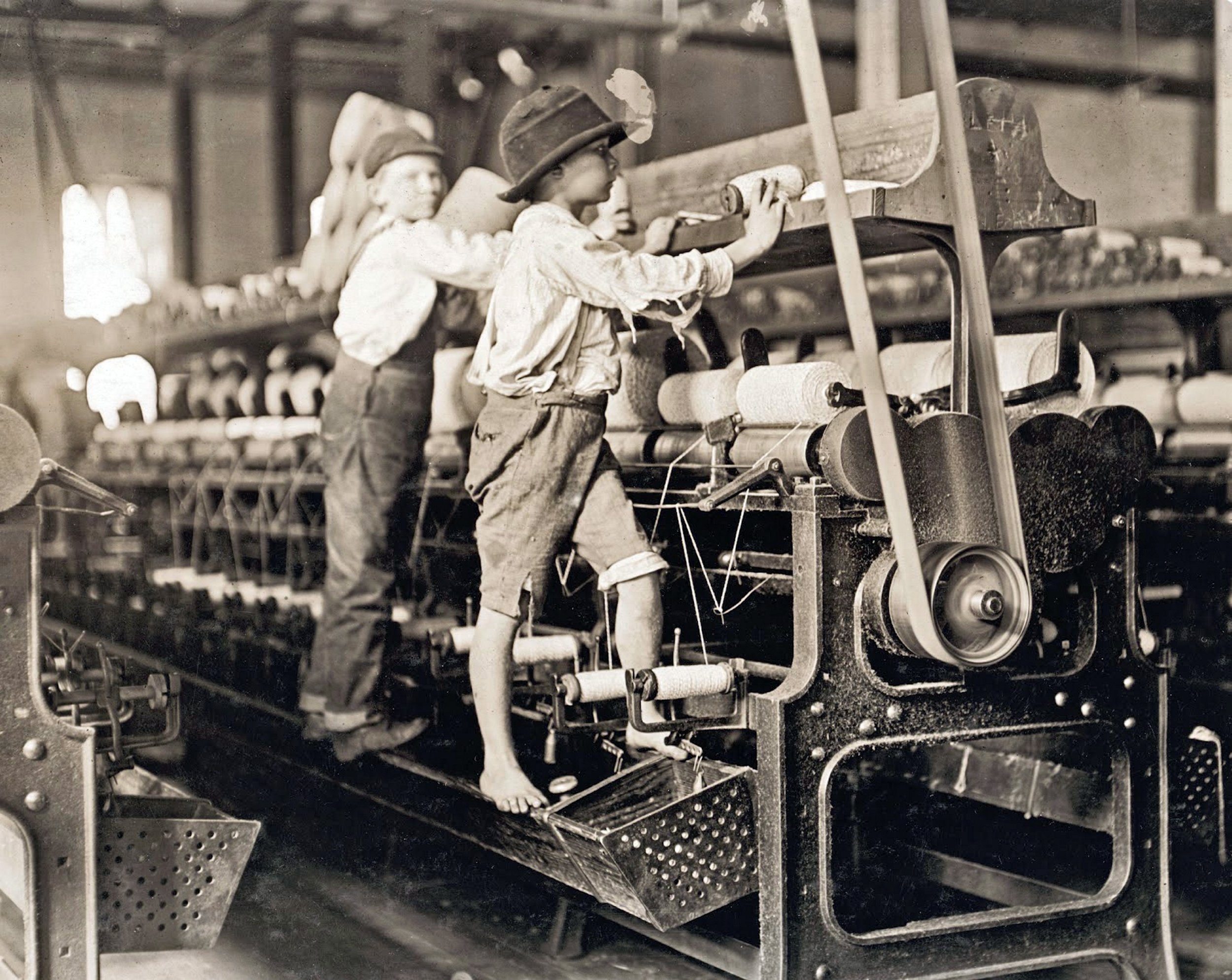
Before we create technology boundaries for our kids, it is important to understand what we’re protecting.
Right before Thanksgiving, I wrote a short, panicked post about warnings I gave my students after one of my colleagues experienced AI psychosis.
I’ve been teaching and working with kids and young adults for thirty years, developing therapeutic approaches to delivering outdoor, creative experiences. When I started teaching, I had a little green gradebook and no email address. My students hadn’t yet used cellphones, and social media didn’t exist.
I enjoy playing with and teaching technology. As it evolves, so do our children. With each innovation, there are costs and benefits. For example, before I had email, I had to go to meetings to find things out.
Fewer meetings = a benefit. Students emailing at 2 am expecting a response = a cost.
So, I learned to set boundaries: here is when and why you can email me is now a section on my syllabus. To set these tech-boundaries, I considered the purpose of email between professors and students and designed to retain the benefits while protecting myself from the costs.
Today, we find ourselves 15 years into an unfettered, disastrous experiment conducted by tech companies on our children. We have learned that the “like” button ruins self-esteem and relationships. That short, yelly videos can be fantastic radicalization tools. That social media increases loneliness, anxiety, and depression. That screen-based education has deactivated students’ ability to comprehend and retain information. That smartphones are a dumb thing to give kids.
And now, we are barreling headlong into the clanker-charlie-foxtrot that is AI.
One day in January 2025, ChatGPT.edu appeared on every dashboard for the approximately 500,000 students, faculty, and staff of the largest university system in the world. At my campus, we teach some of the most economically unstable students in the country. We understand that falling behind in using this technology, which now drives ~95% of U.S. financial growth, could be yet another disadvantage for our students. No one wants that.
ChatGPT has also appeared in the classrooms of my 12th grader, who is autistic and in a special program, and my 6th grader, who attends a grade school with a 45% homelessness rate among students. Neither of my children has been required to read a book so far this academic year. And no one has asked me whether I consented to my children becoming data sources for tech companies to extract and profit from.
Their experience reflects what my students report when they say they can’t pay attention long enough to finish a film or a novel. They express this with grief and frustration, even though they can’t possibly know how much they’ve lost.
Designing Boundaries for Childhood
Before I put guardrails around the low-stakes technology of email, I considered its beneficial role in faculty-student relationships. After I set new email rules, a student mentioned that those rules influenced how they thought about email, too.
Kids are always watching and learning from what we do. So, let’s show them how to set boundaries with AI. First, we need to consider the purpose of childhood.
What is Childhood For?
The purpose of childhood is to create the architecture for a happy life in a beautiful world. Sometimes adults forget how difficult and strange childhood can be. How life is filled with mystery, wonder, and the inevitable pain that accompanies growth. The brain creates thousands of new connections every day.
Play is processing. Conflicts are opportunities for self-definition. Boredom is a torturous seed that blooms into creative treasure. Time in nature cements hope. Reading cultivates empathy. Love begets love.
Practice makes permanent, my old choir director used to say. Sing it right or sing it wrong, but whatever is repeated will stay in your mind.
If we think of smartphones and AI use as “practice,” “behavior modification,” or “occupational therapy,” we are creating permanent short attention spans for our kids. We are cultivating addictions to dopamine (the likes of social media and the fawning love-bombing of AI) and to a dangerous cognitive lethargy, in which snap judgments replace curiosity.
I tell my students, “If a technology is free, YOU are the product.”
By engaging this technology, our children are working in a new form of uncompensated child labor: providing data for training AI systems.
This is why, even as we race other world superpowers to develop this technology, we can and must protect childhood. We do this by treating it as sacrosanct time on hallowed ground.
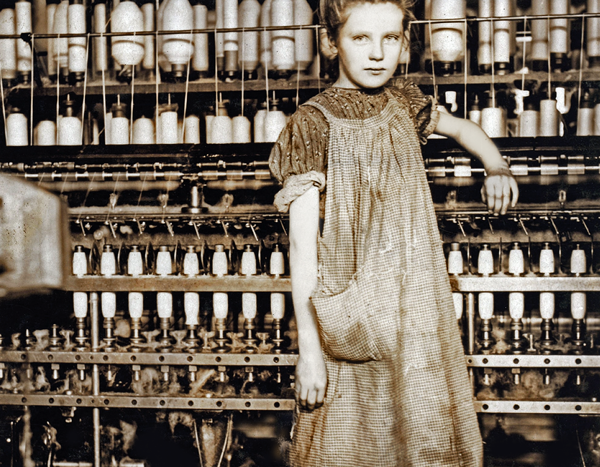
Sacrosanct Time on Hallowed Ground
Sacrosanct is an old word that means something made sacred. If childhood is Sacrosanct Time, we can let it meander outside the digital networks, letting it go slow and fast and silly. Similarly, the word hallowed derives from an ancient term that meant “made holy.” If we designate children’s spaces as Hallowed Ground, we can protect them and separate them from the new technologies that can harm them.
To do this, we need to meet the following needs that all children have: (I’ll expand on how to cultivate these for your kids in the coming essays.)
1. Unmediated encounters with the living world
Children need regular, unstructured access to safe outdoor spaces with dirt, mud, rain, leaves, and plants. This kind of exploration supports their neurological development. Each texture, smell, and color they encounter builds new connections in their brains. Nature is where children best experience wonder, the emotion that may most characterize childhood. Wonder is what children bank against future despair.
2. Adults who stand on firm ground
As Albert Einstein said, “The most beautiful experience we can have is the mysterious. It is the fundamental emotion that stands at the cradle of true art and true science.”
The world is more mysterious to children. When children trust that their parents and teachers have answers and are willing to say things like, "this is true," “this is right,” and "that matters," they have epistemological anchors. Trusting grounded grown-ups frees children’s curiosity, cognitive exploration, and genius.
3. The long arc of the story
Children need stories. They need history taught as a story so they have context and a sense of connection and place. They also need to learn to tell their own stories, positioning themselves as powerful protagonists. Children’s ability to tell stories, develop empathy, and maintain focus is supported by reading physical books.
4. Sacred boredom
Children need downtime. They need time without surges of stimulation and dopamine. They need to get bored so their minds can build resilience. I tell my children, I am never bored. And, it’s true. As a child, I was bored a LOT. Children need to get bored so they learn to make their own entertainment.
5. The right to struggle
Some parts of childhood, especially adolescence, are difficult. Children need to know that they are perfect just as they are, and that they are not alone in their discomfort. Coming through difficult times strengthens them.
6. Physical presence
Children need age-appropriate human contact. They need to be physically present with caring adults and with each other.
7. Freedom to be wrong
Children need to make stupid, embarrassing, silly, ugly, childlike mistakes without documentation. No digital record of their childhood and adolescence should be made available to anyone. Childhood needs to breathe without a permanent record, including algorithmic memory.
8. Hearts that can stay soft
Children should not have to harden their hearts against a technology that praises and flatters them to keep them engaged so that their data can be extracted. It is not their responsibility to protect themselves from tech that preys on them to enrich corporations.
It is our responsibility to keep AI out of the sanctified time on the hallowed ground of childhood. By defining what the eight non-negotiables look like for your family, you can create a plan for protecting childhood's sacredness.
More soon…