Walk like a Toddler.
Rebuilding the atrophied ability for open-ended wandering…
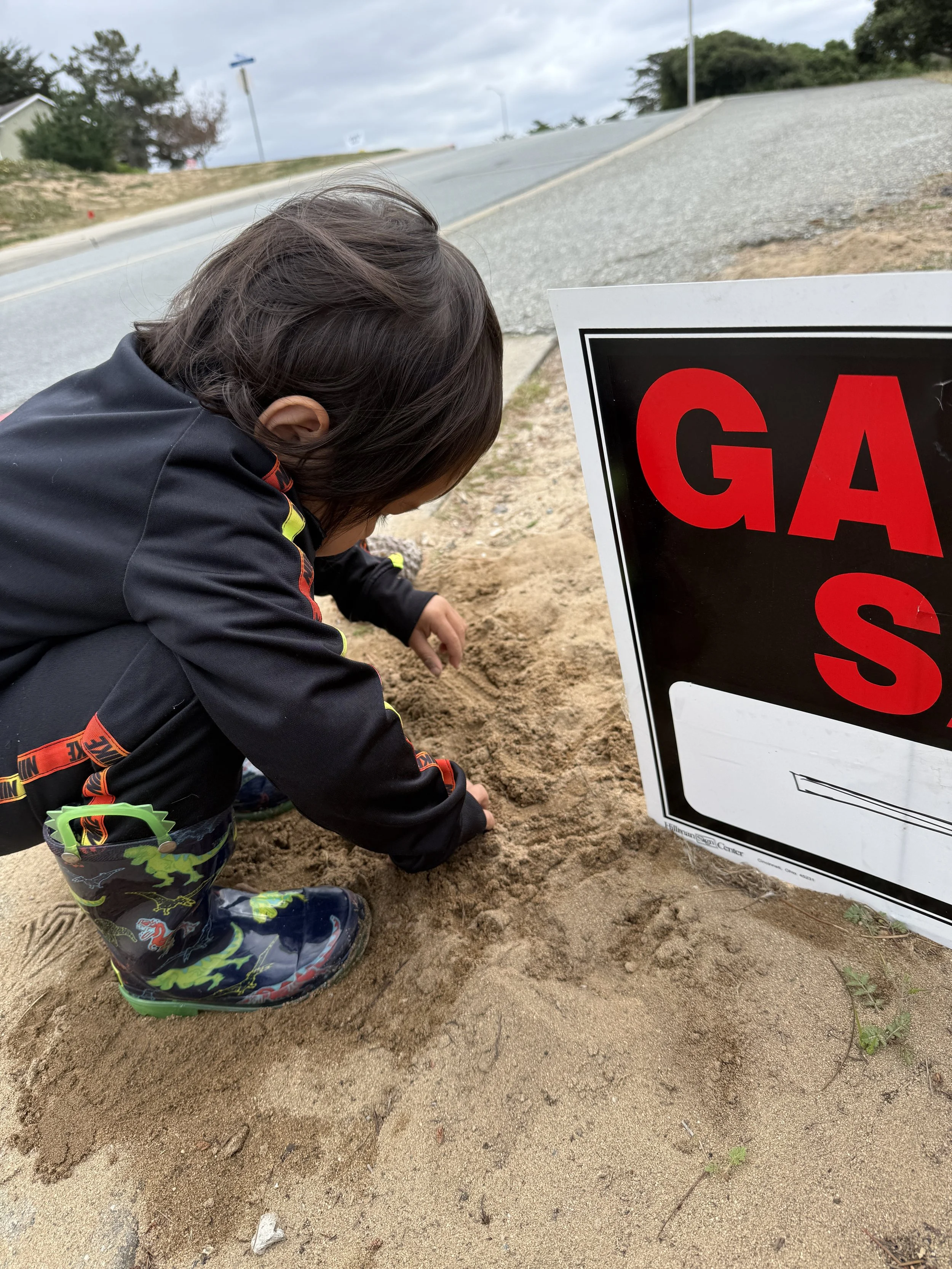
Building a sand castle with a pine cone by the side of the road. Like you do.
“Go for a walk around the block with a toddler, come back in a week!” I remembered this feeling as I followed my favorite two-year-old who lives next door.
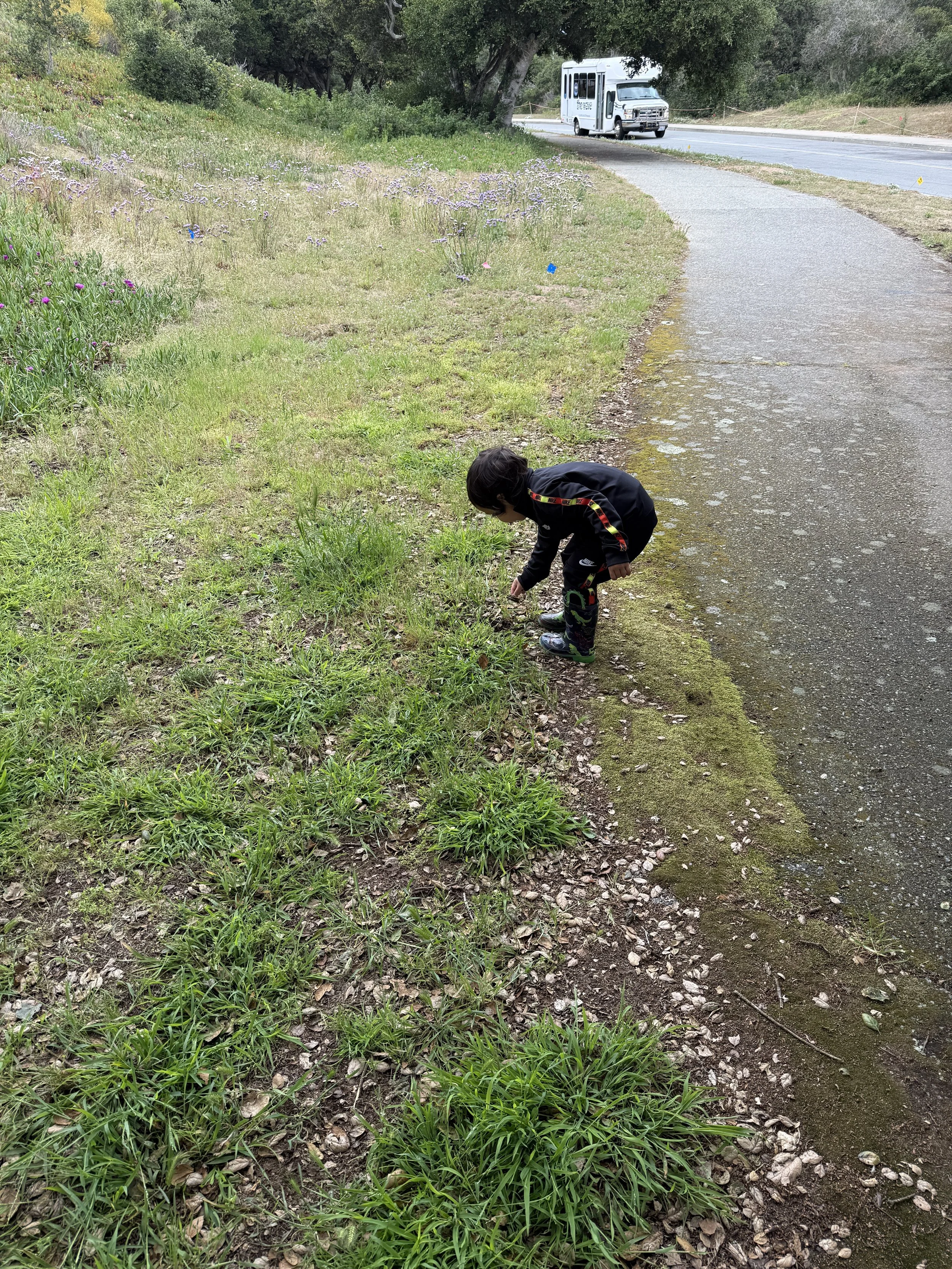
Toddler-led walks are fascinating. They are wandering explorers, with drunken, clumsy gaits, astounded by the world. And as they explore, they co-create, becoming lost in reveries, stories, and experiments in response to what the world offers them.
I teach college students. This semester, after noticing atrophied attention spans, crushed confidence, and failing fine-motor skills, I designed a new approach to teaching arts courses that I hoped would help them rebuild and reconnect with their toddler selves.
I required them to go outside for almost 3 hours. I asked them to make things by hand from whatever they could find around them. And I gave them vague, open prompts without rubrics or right answers.
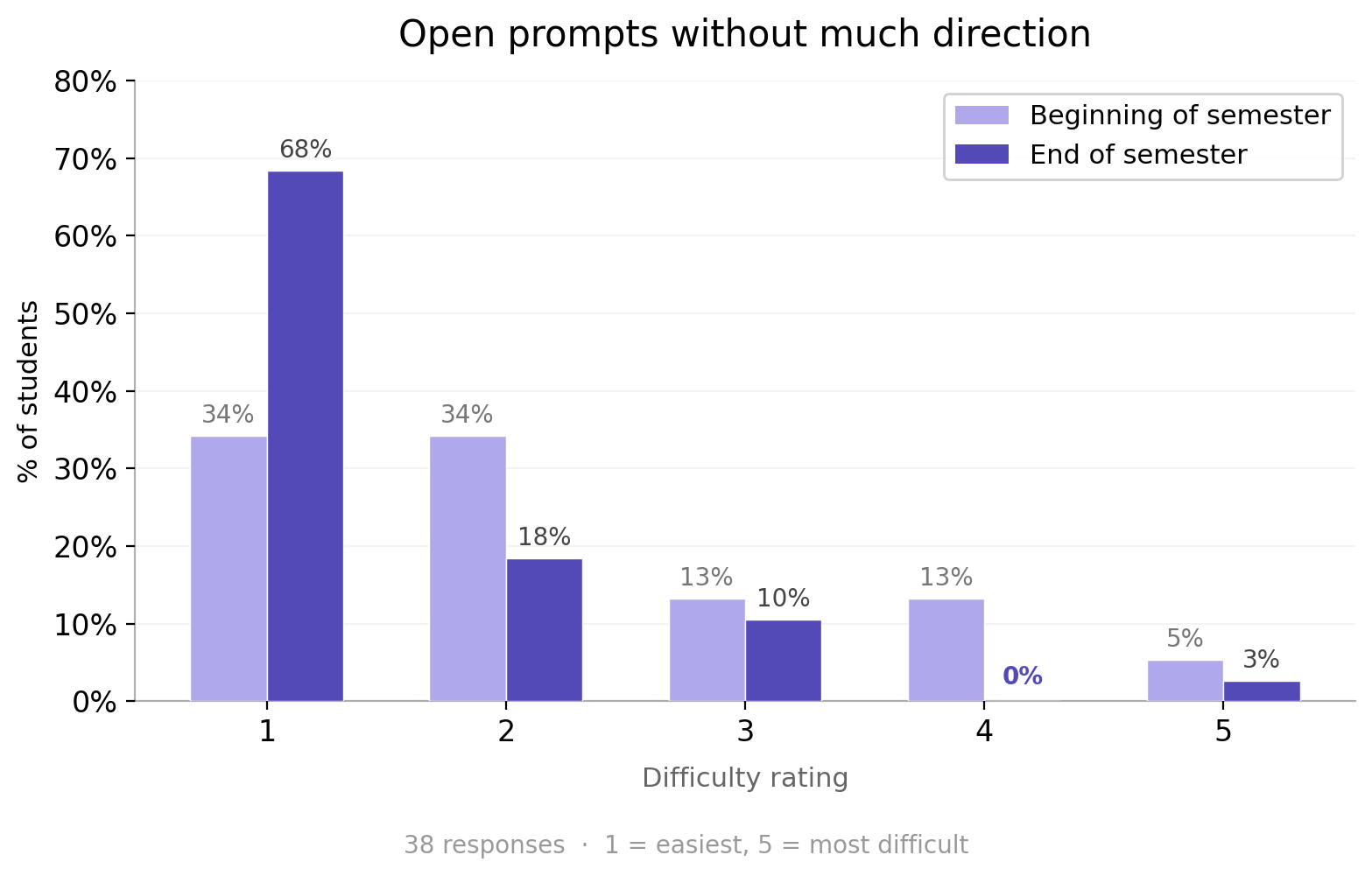
The open prompts seemed to create a great deal of anxiety. At the start of the semester, students were spread across a five-point difficulty scale, with one as the easiest. Roughly a third said working with the open prompt was easy. By the end of the semester, sixty-eight percent rated this task a 1.
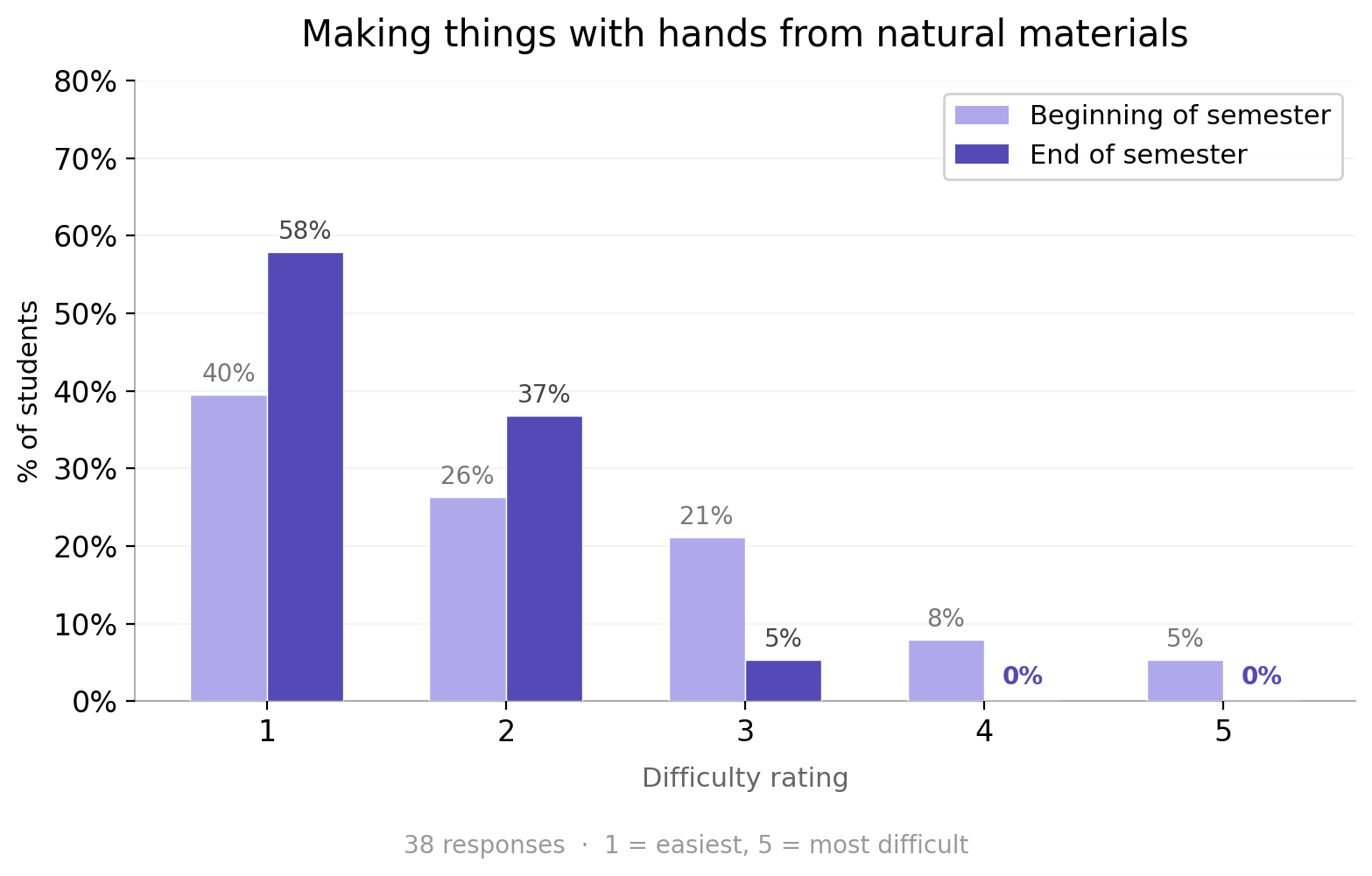
The students also struggle with hands-on work. I notice they’ve lost hand strength and dexterity. Most struggle to create a clay pinch pot (see the Fairy Houses activity for a how-to). Making things from natural materials by hand and figuring things out without instruction became easier for them as well.
School often does not support the impulse to wander, improvise, and invent. Yet, the students’ capacity to reconnect with this experience is durable.
I bet yours is, too! Wander, make a new bug friend, and find a special rock.
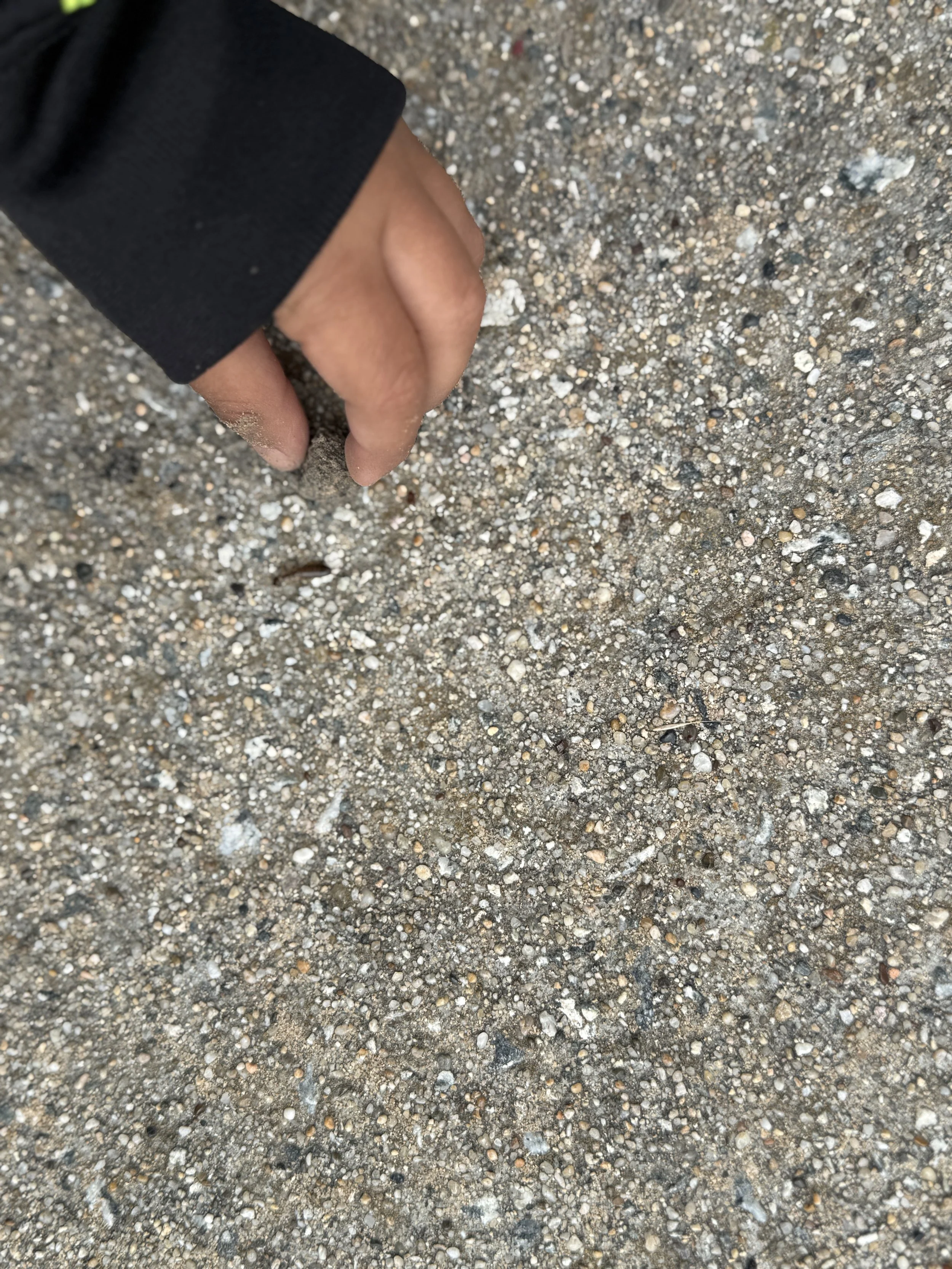
Sharing a special rock with a bug friend.